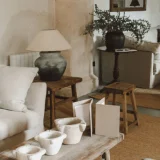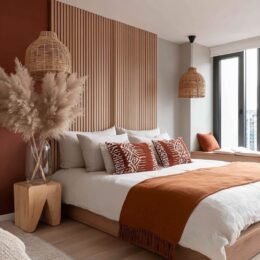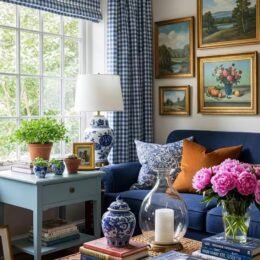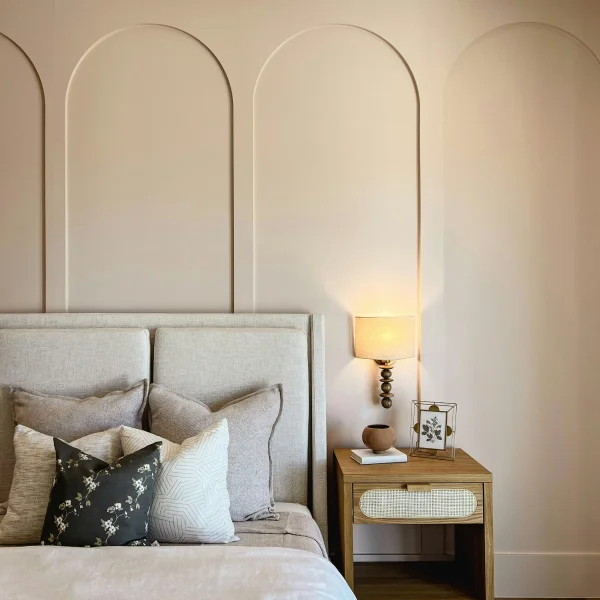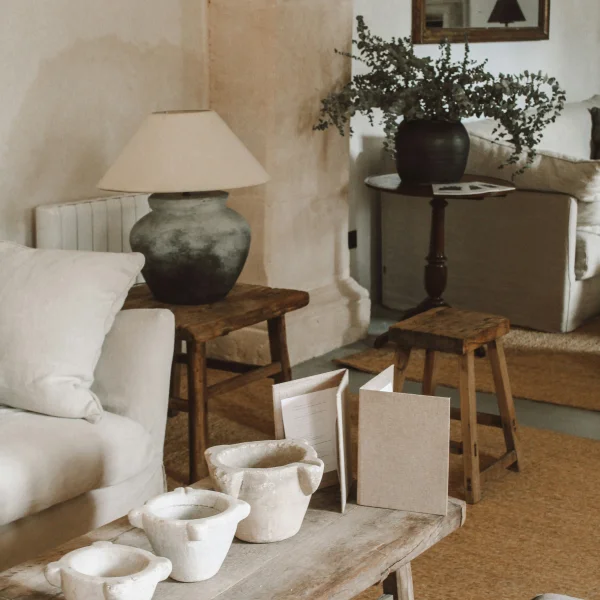
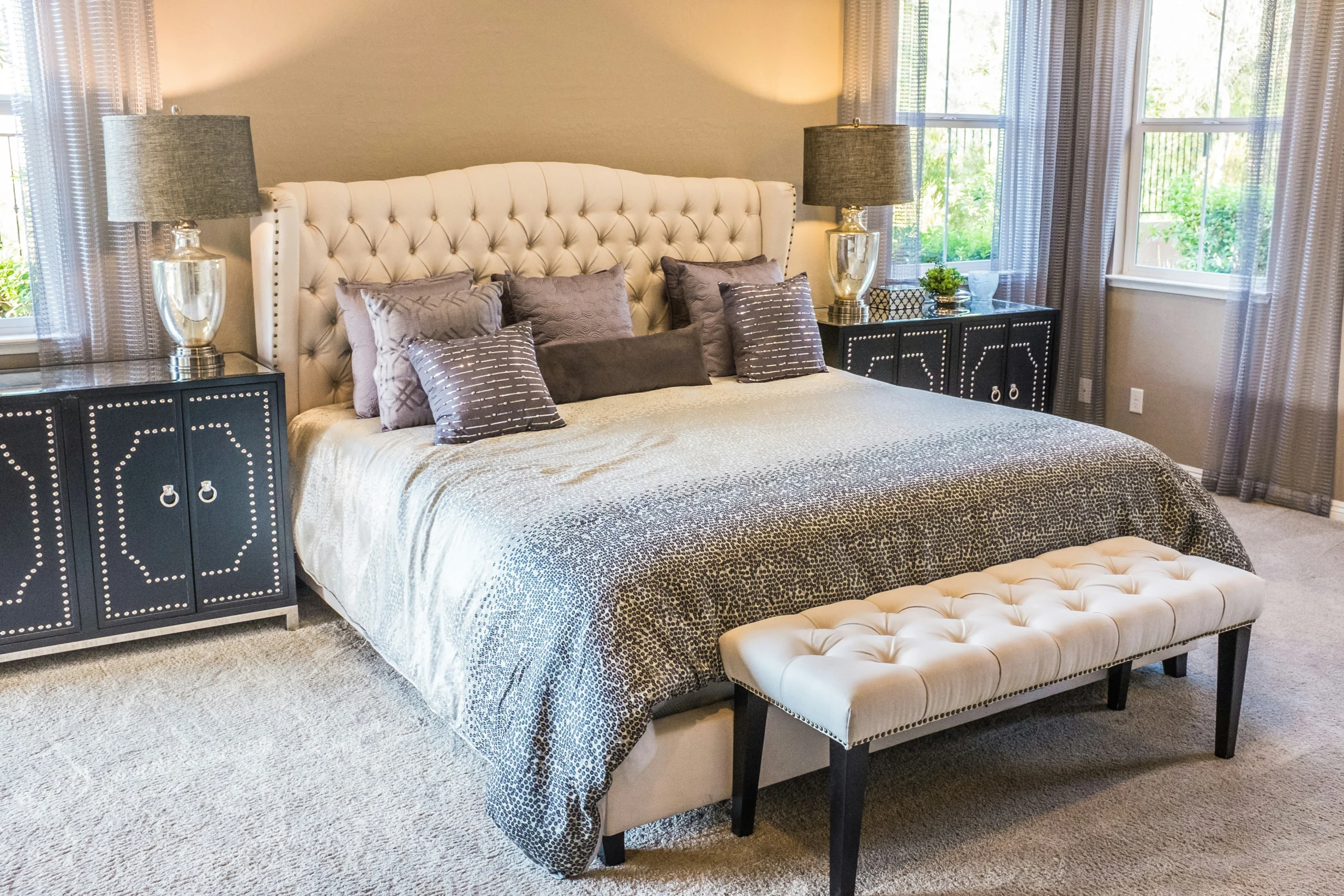
A small bedroom does not have to feel cramped, dull, or restrictive. In fact, when designed with intention and smart planning, even the smallest room can become one of the most stylish, functional, and relaxing spaces in your entire home. The key is not about increasing square footage but about mastering small bedroom interior design strategies that maximize space, light, and comfort.
Today, more people are living in compact apartments and modern urban homes where space is limited. Because of this, the demand for practical small bedroom ideas has increased significantly. Fortunately, with the right techniques, you can transform a tight bedroom into a visually open, well-organized, and aesthetically pleasing environment without expensive renovations.
This guide will walk you through everything you need to know—from layout planning to storage solutions and visual tricks that make your room feel bigger instantly.
Why Small Bedroom Interior Design Matters in Modern Homes
Modern living spaces are shrinking, especially in urban areas. As a result, bedrooms are no longer large, separate luxury spaces but compact multifunctional areas.
This makes small bedroom interior design more important than ever. A well-designed bedroom directly affects your lifestyle, sleep quality, and emotional comfort. When a room is cluttered or poorly organized, it creates visual stress and reduces relaxation.
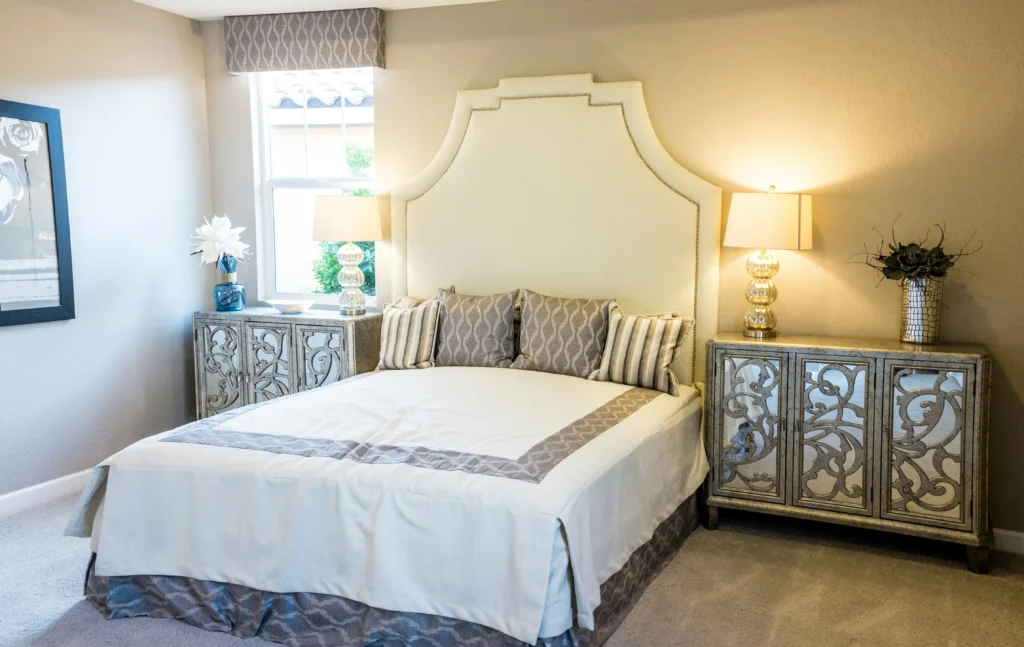
However, when designed correctly, a small bedroom becomes a calming personal retreat. It improves mental clarity, enhances sleep quality, and creates a more enjoyable daily routine.
Good design is not about adding more things—it is about removing unnecessary clutter and improving spatial balance.
The Foundation of Every Great Bedroom: Smart Layout Planning
Every successful transformation begins with layout. In fact, layout is the most powerful factor in determining how large or small a room feels.
A well-planned bedroom layout ensures smooth movement, proper furniture spacing, and functional zones within the room.
The bed placement is especially important. If positioned incorrectly, it can block pathways and reduce usable space. However, when placed strategically against a suitable wall, it opens up circulation and improves flow.
Even in a tiny bedroom, a good layout can make the space feel twice as functional without changing a single object.
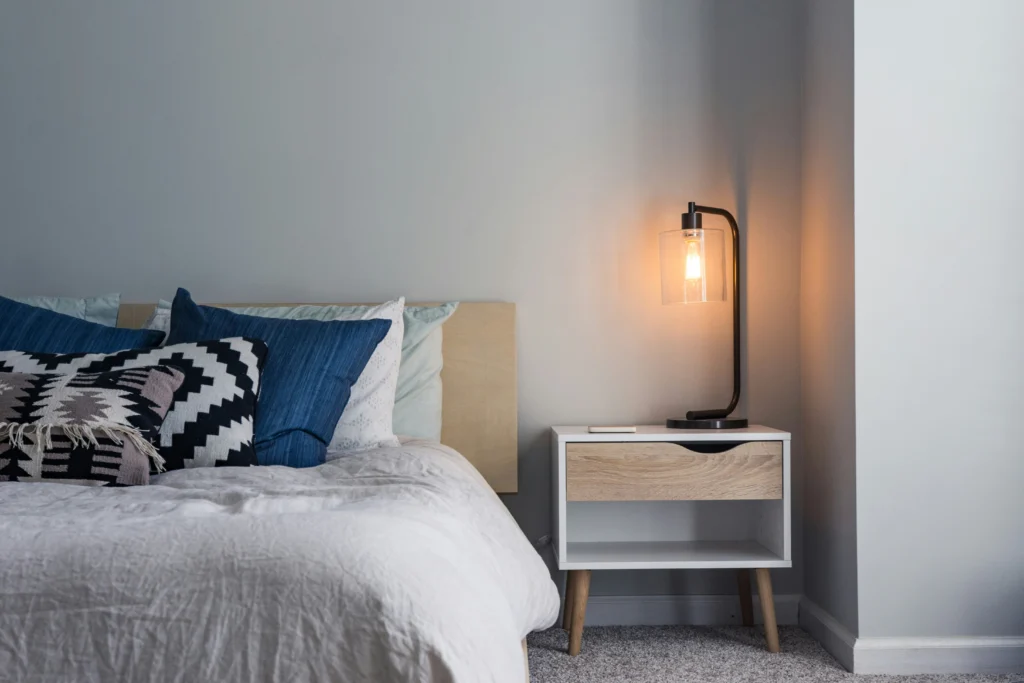
Think of layout as the invisible architecture that controls comfort and usability.
Understanding Space Flow and Movement
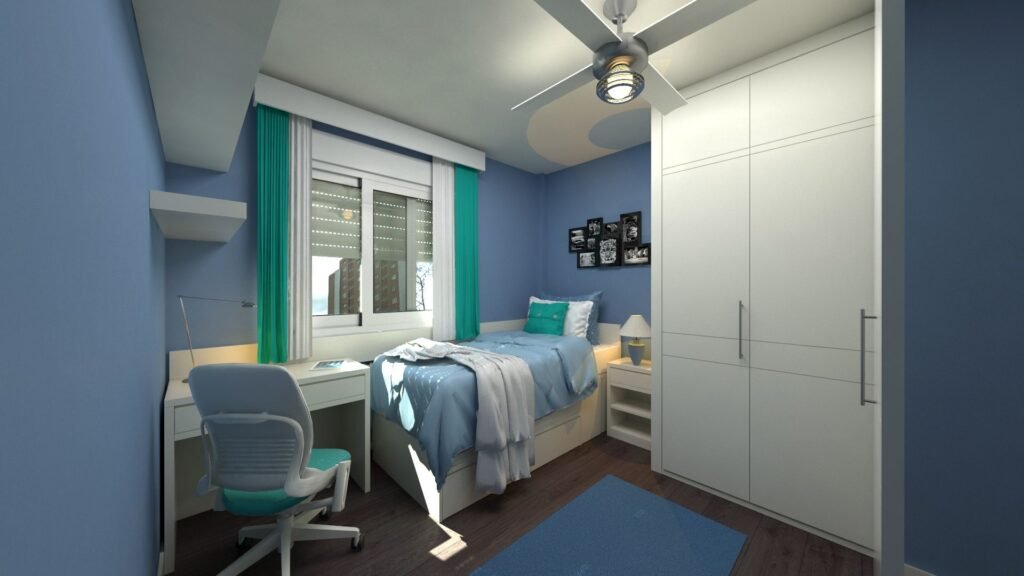
One often overlooked aspect of bedroom design is movement flow. A room should allow you to move freely without obstacles or tight corners.
For example, leaving clear walking space around the bed improves both comfort and visual openness. Similarly, avoiding unnecessary furniture ensures the room does not feel overloaded.
When space flow is optimized, even a compact bedroom feels natural, breathable, and easy to use.
Multi-Functional Furniture: The Core of Smart Living
In a compact space, furniture must work harder. This is where multi-functional design becomes essential.
Beds with storage drawers, foldable desks, and modular wardrobes are ideal for a space saving bedroom setup. These pieces reduce clutter while increasing usability.
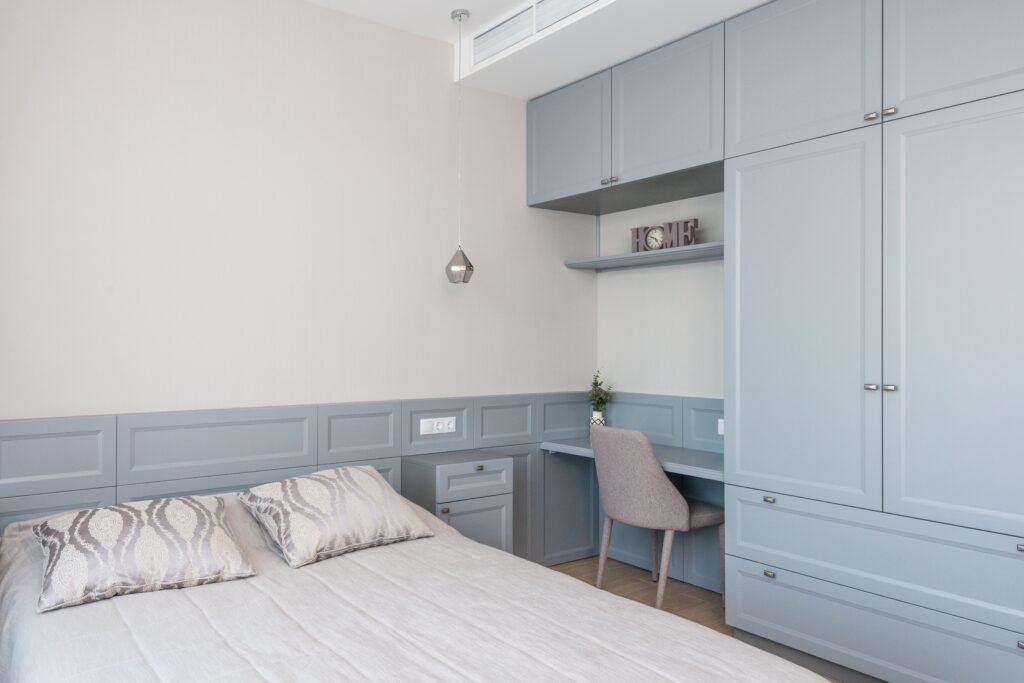
Instead of adding more furniture, the goal is to combine functions into fewer items. For example, a single storage bench can act as seating, decor, and storage simultaneously.
This approach not only saves space but also creates a clean and modern aesthetic.
The Psychology of Light in Small Bedrooms
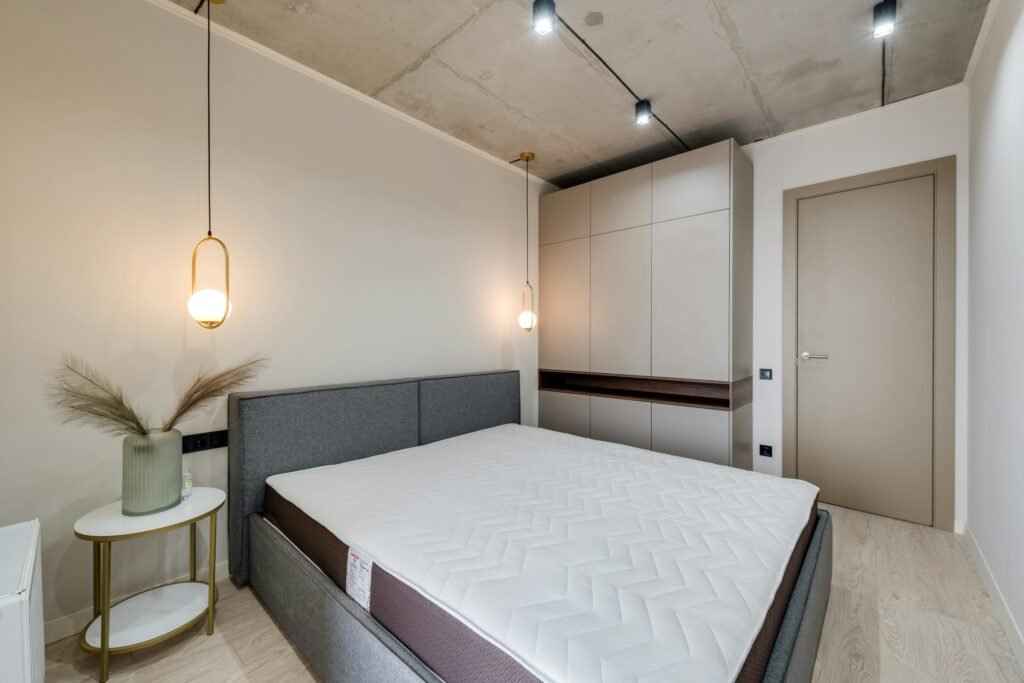
Lighting plays a major role in shaping perception. A poorly lit room feels smaller and more confined, while a well-lit room feels open and inviting.
Natural light is the most powerful tool in small room decor. It enhances brightness, reduces shadows, and expands visual depth.
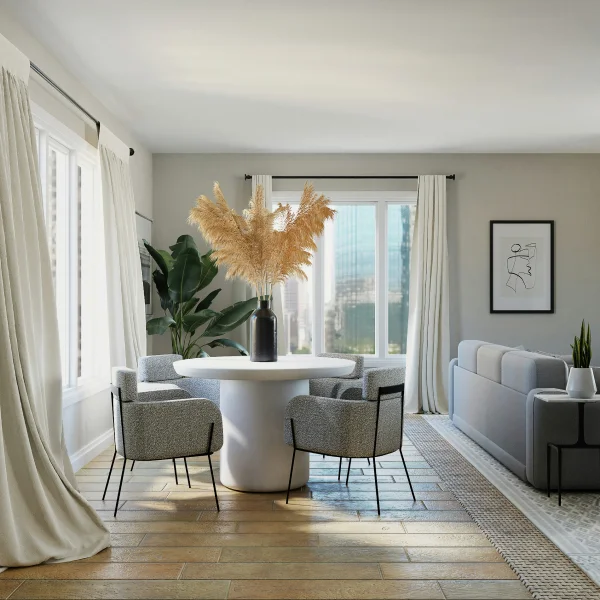
Using light curtains instead of heavy drapes allows sunlight to enter freely. Additionally, keeping windows unobstructed helps maintain openness.
Artificial lighting should also be layered. Combining ceiling lights, bedside lamps, and ambient lighting creates depth and flexibility.
How Mirrors Transform Small Spaces Instantly
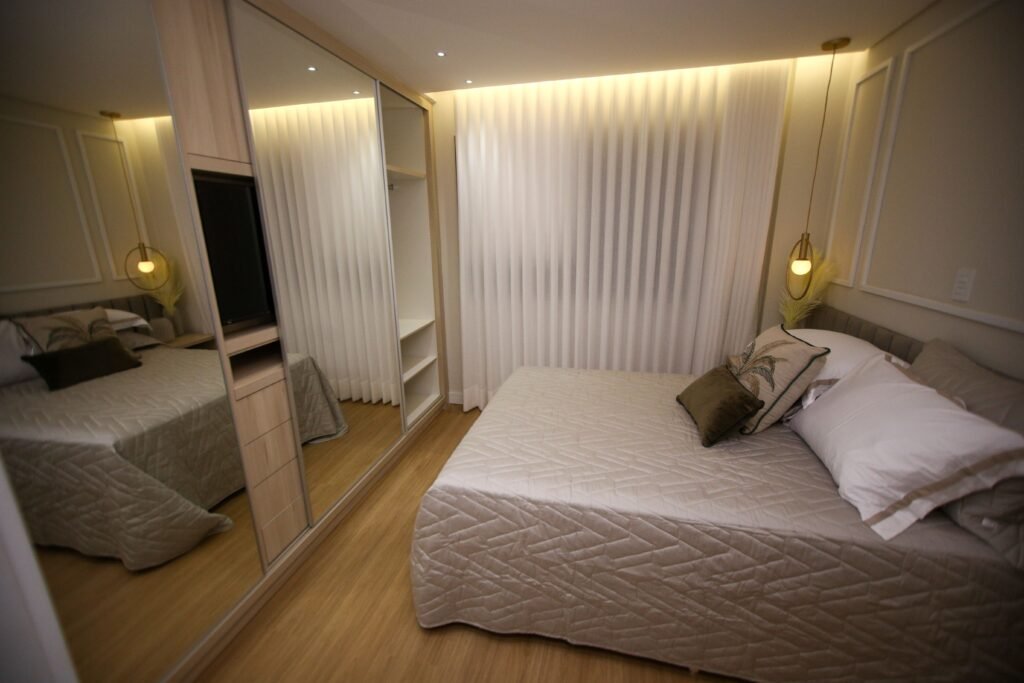
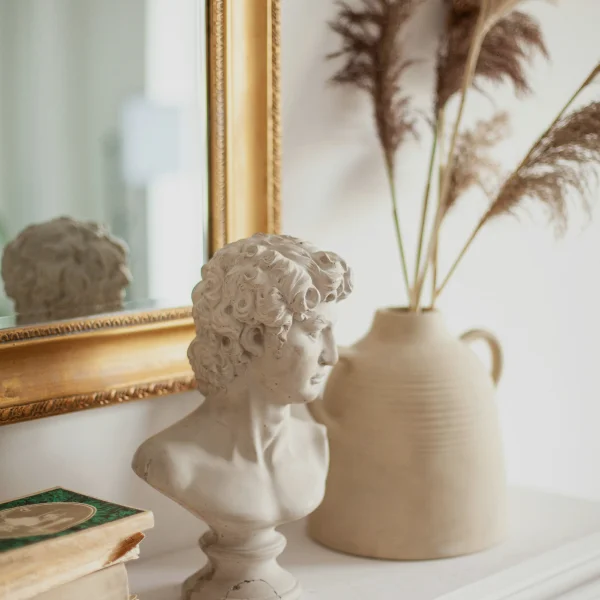
Mirrors are one of the most effective design tools in interior design. They reflect both light and space, creating an illusion of depth.
A strategically placed mirror can make a room appear almost twice its actual size. This is why mirrors are widely used in compact bedroom design.
Mirrored wardrobes, wall panels, or full-length mirrors enhance brightness while maintaining elegance.
The key is placement—mirrors should reflect light or open areas, not clutter.
Color Strategy for Expanding Visual Space
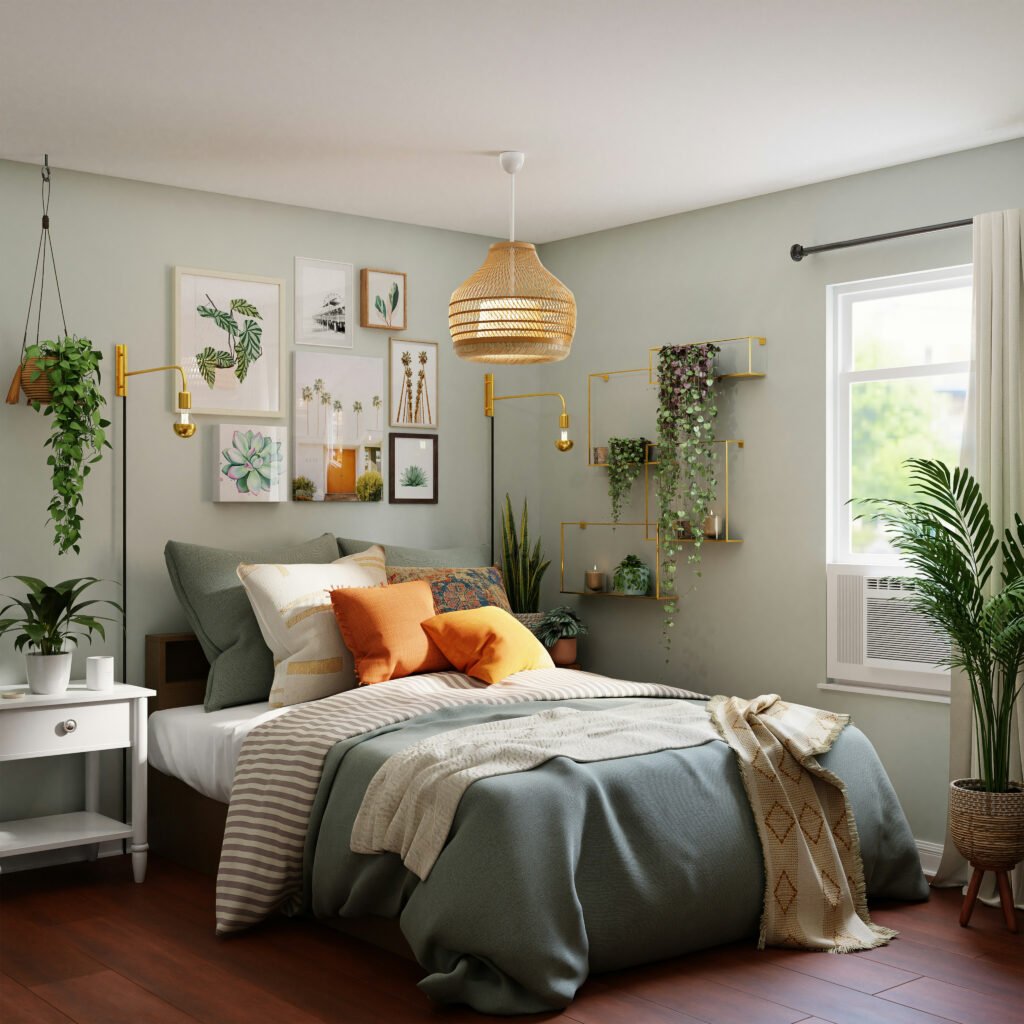
Color is a psychological design tool that directly affects perception.
Light tones such as white, ivory, soft grey, and pastel shades create a spacious and airy feeling. These shades reflect light and reduce visual weight, making the room feel larger.
However, a bedroom should not feel lifeless. Accent colors can be introduced through bedding, artwork, or cushions to add personality.
This balance creates a stylish and comfortable modern small bedroom that feels both functional and visually appealing.
Advanced Storage Strategy for Small Bedrooms

Storage is often the biggest challenge in compact rooms. Without proper organization, even a well-designed bedroom becomes cluttered quickly.
This is where advanced bedroom storage ideas become essential.
Under-bed storage is one of the most efficient solutions. It utilizes unused space without affecting movement. Similarly, vertical shelving systems help free up floor space while increasing storage capacity.
Another powerful method is “hidden storage integration,” where furniture pieces serve dual purposes.
For example:
- Beds with drawers
- Ottomans with storage inside
- Wall-mounted cabinets
- Floating shelves above desks or beds
When storage is planned correctly, the room immediately feels larger and more organized.
Vertical Design: The Most Underused Space in Bedrooms
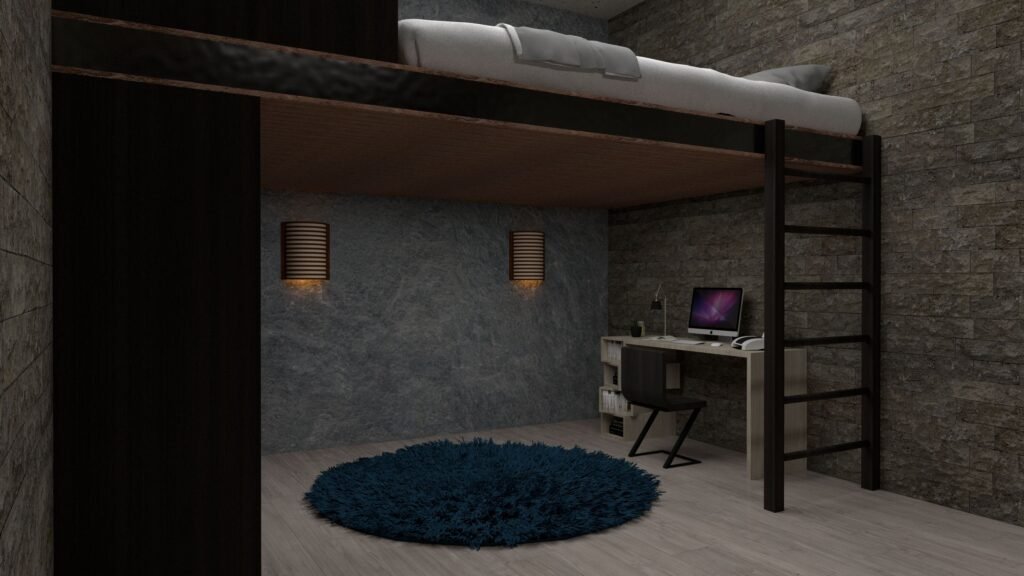
Most people only design horizontally, ignoring vertical space completely. However, walls are one of the most valuable assets in small bedroom ideas.
Tall shelving units, vertical wardrobes, and wall-mounted storage systems maximize unused height.
This not only increases storage but also improves visual proportions by drawing the eye upward. As a result, ceilings appear higher and the room feels more spacious.
Vertical design is one of the most important professional interior design techniques for small spaces.
Minimalist Bedroom Decor with Maximum Impact
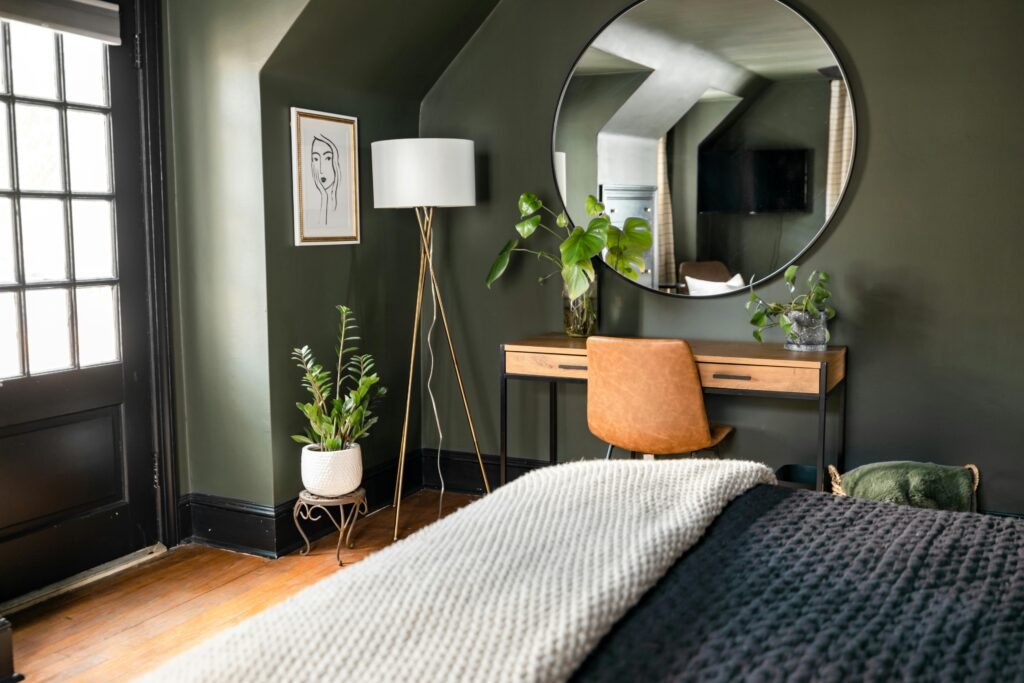
Decorating a small bedroom requires precision. Too many items create clutter, while too few create emptiness.
Minimalist design solves this problem by focusing on meaningful, high-impact elements.
Instead of multiple small decorations, choose one or two strong visual elements:
- A large artwork
- A textured wall panel
- A statement headboard
- A stylish rug
This approach is a core principle of modern bedroom decor, where simplicity creates elegance.
Minimalism does not mean lack of personality—it means intentional design.
Lighting Layers for Depth and Comfort
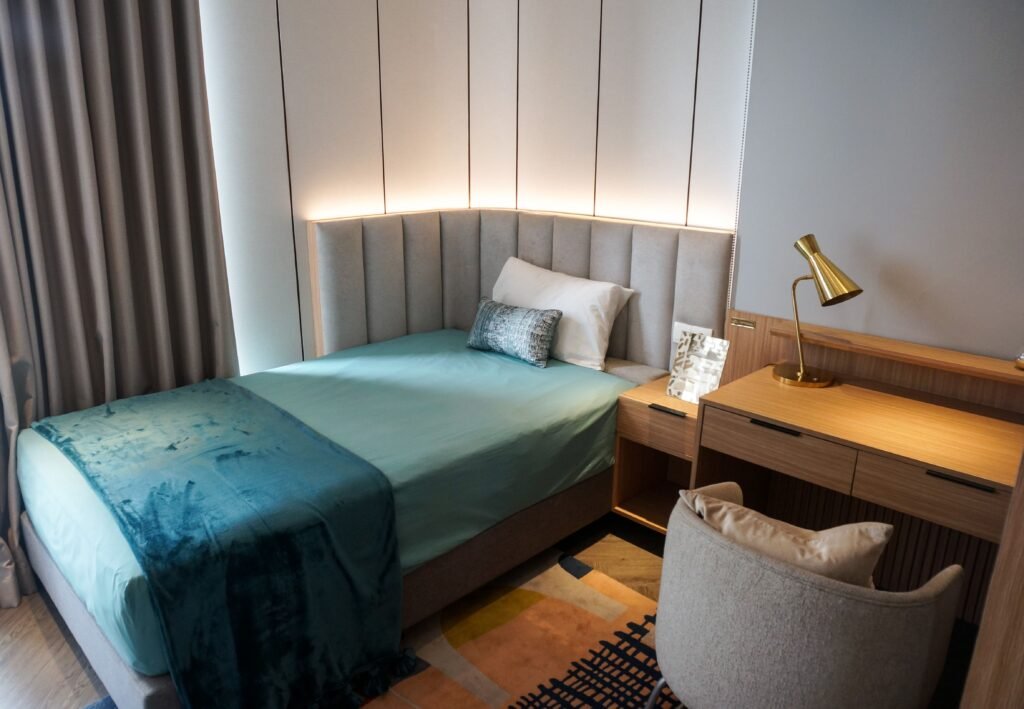
Lighting should never rely on a single source. Instead, layered lighting creates atmosphere and flexibility.
A combination of ambient lighting, task lighting, and accent lighting improves both function and aesthetics.
Warm lighting enhances relaxation, while brighter lighting supports daily activities like reading or organizing.
This layered approach is essential for creating a balanced bedroom layout that adapts to different needs.
Organization Systems That Maintain Long-Term Cleanliness
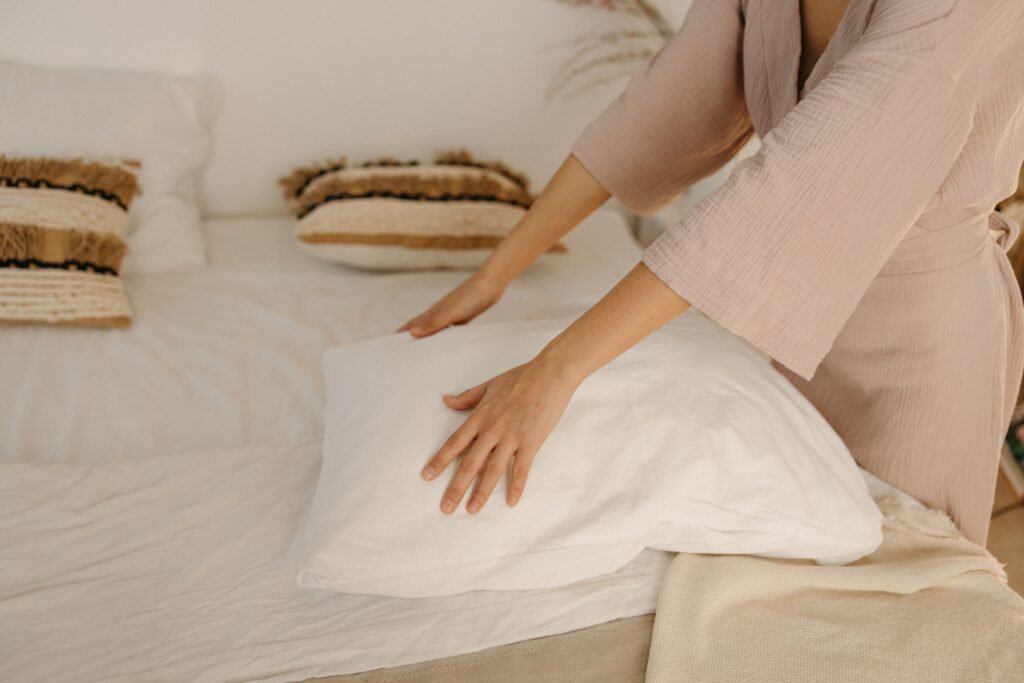
A well-designed bedroom must also be easy to maintain.
Without organization systems, clutter returns quickly even in a beautifully designed space.
Drawer dividers, closet organizers, and labeled storage bins help maintain order effortlessly. When everything has a place, cleaning becomes simple and fast.
This improves long-term functionality and supports a stress-free lifestyle.
Common Mistakes in Small Bedroom Design
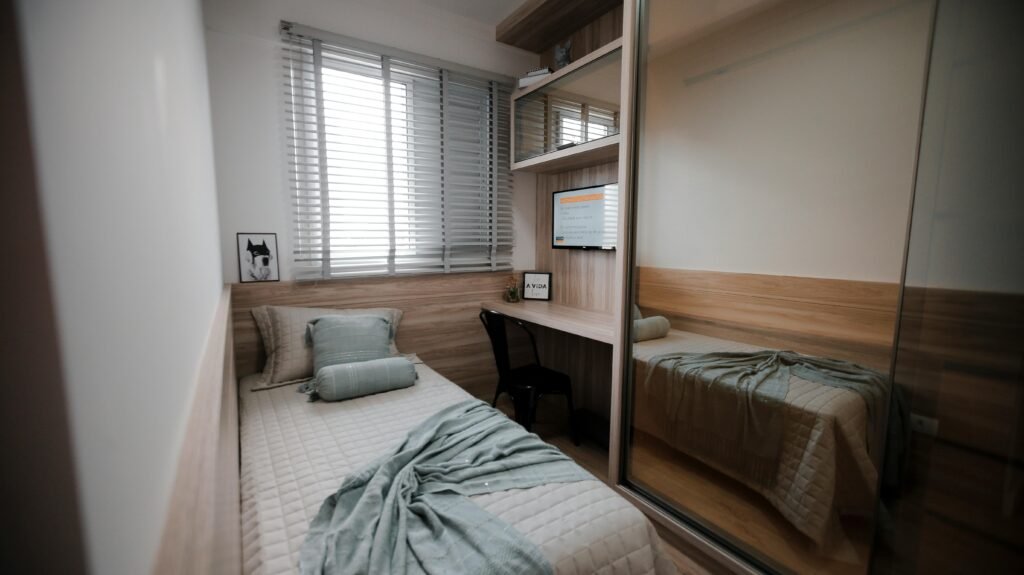
Many people unintentionally reduce space efficiency through poor design decisions.
Common mistakes include:
- Using oversized furniture
- Overdecorating with too many items
- Ignoring vertical storage
- Poor lighting choices
- Blocking natural light sources
Avoiding these mistakes ensures your small bedroom interior design remains functional, balanced, and visually open.
Real-Life Transformation Scenario
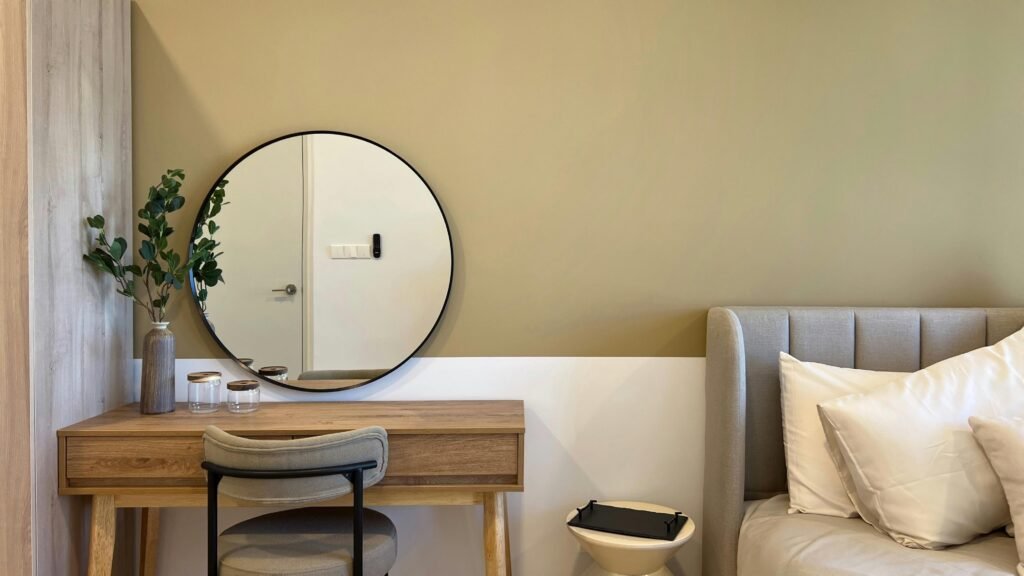
Imagine a 10×10 bedroom filled with bulky furniture, limited storage, and poor lighting. At first, it feels tight and overwhelming.
Now imagine the same room redesigned with light colors, mirrors, smart furniture, vertical storage, and layered lighting.
The transformation is dramatic. The room feels open, breathable, organized, and significantly larger.
This proves an important principle: great design is not about space size—it is about smart strategy.
Frequently Asked Questions (FAQ)
What is the best style for small bedroom interior design?
Minimalist and modern styles work best because they focus on simplicity, clean lines, and efficient use of space.
How do I make a small bedroom look bigger?
Use mirrors, light colors, layered lighting, and multi-functional furniture to create visual expansion.
What furniture is best for a small bedroom?
Storage beds, compact wardrobes, foldable desks, and slim-profile furniture are ideal.
How can I organize a very small bedroom effectively?
Use under-bed storage, vertical shelves, and modular organizers to reduce clutter.
What colors work best in small bedrooms?
Light neutral tones like white, beige, and soft grey create the best spacious effect.
How important is lighting in small bedroom design?
Lighting is critical because it directly affects perception of space, mood, and comfort.
Final Thoughts
Designing a small bedroom is not about limitations—it is about intelligent decision-making and creative space utilization. With the right small bedroom interior design approach, even the smallest room can become stylish, functional, and deeply comfortable.
When you focus on layout, lighting, storage, and simplicity, you unlock the full potential of your space. Every design choice contributes to how large, open, and relaxing the room feels.
Ultimately, great interior design is not about how much space you have—it is about how intelligently you use it. And when done correctly, even a small bedroom can feel like a luxury retreat.
small bedroom interior design, small bedroom ideas, bedroom design, tiny bedroom, compact bedroom, bedroom decor, small room decor, bedroom layout, space saving bedroom, small bedroom decorating ideas, modern small bedroom, cozy bedroom ideas, bedroom storage ideas, minimalist bedroom, bedroom makeover, bedroom organization, small room design, stylish bedroom decor, functional bedroom, small bedroom interior design, small bedroom interior design, small bedroom interior design, small bedroom interior design, small bedroom interior design, small bedroom interior design, small bedroom interior design, small bedroom interior design, small bedroom interior design, small bedroom interior design, small bedroom interior design, small bedroom interior design, small bedroom interior design,